An Unknown From The Seine
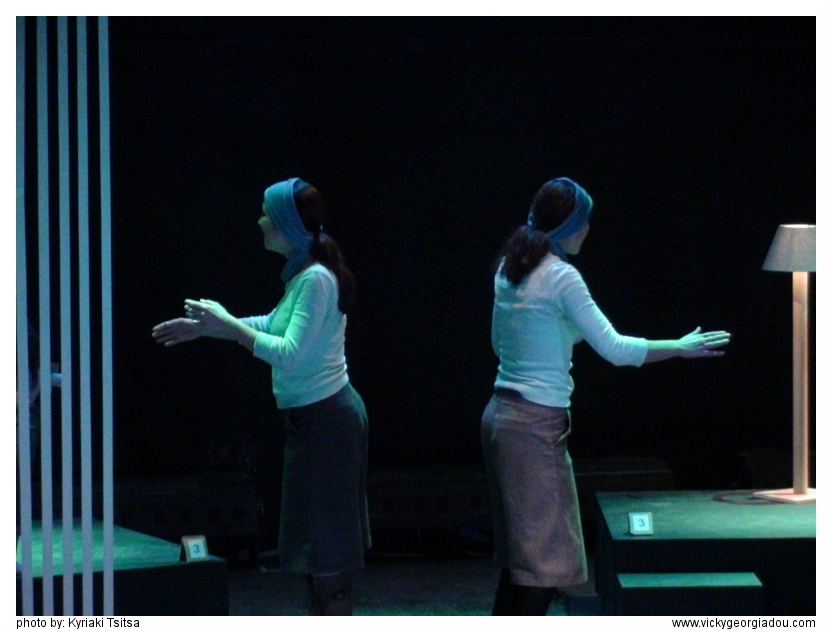
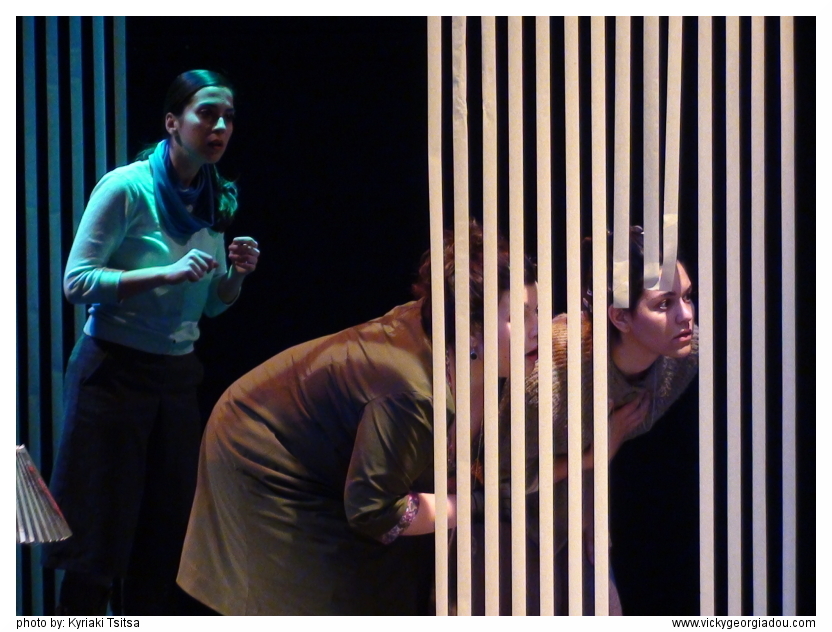
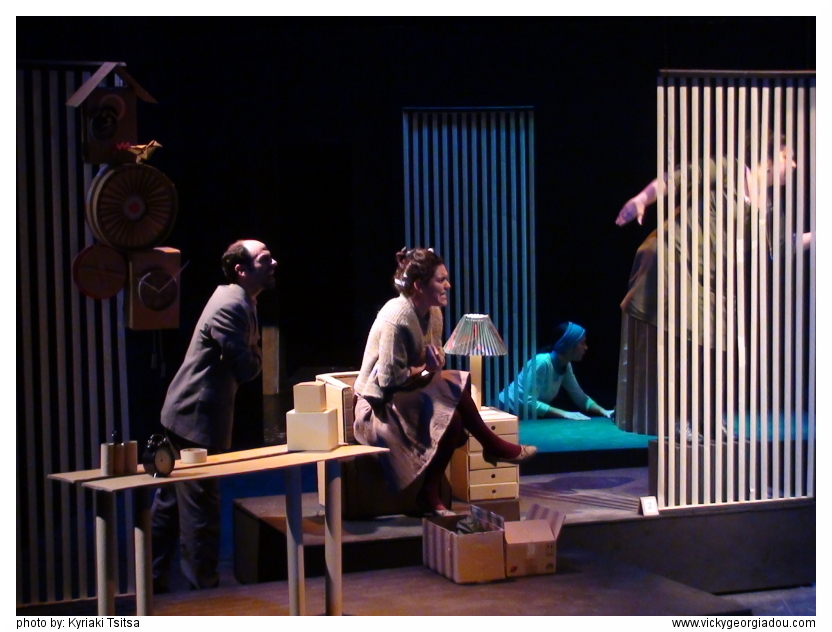
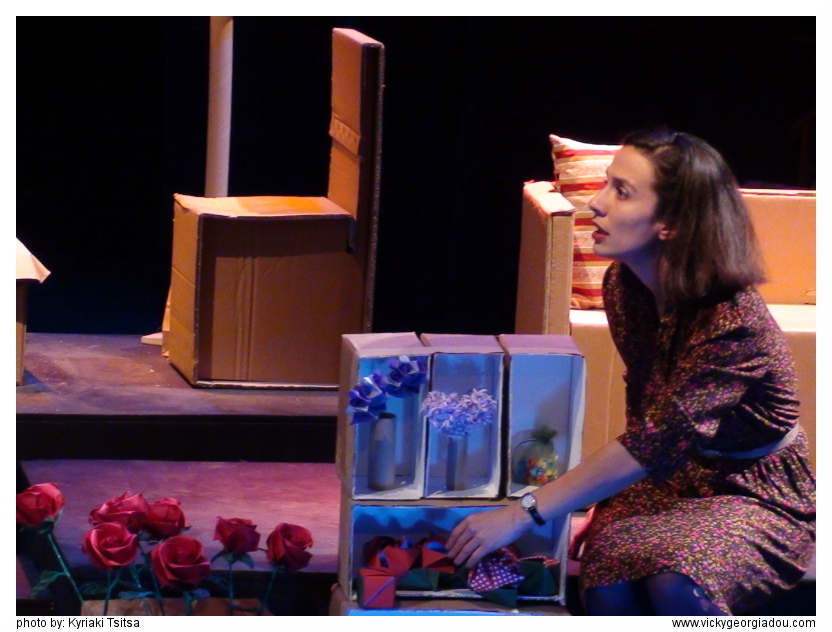
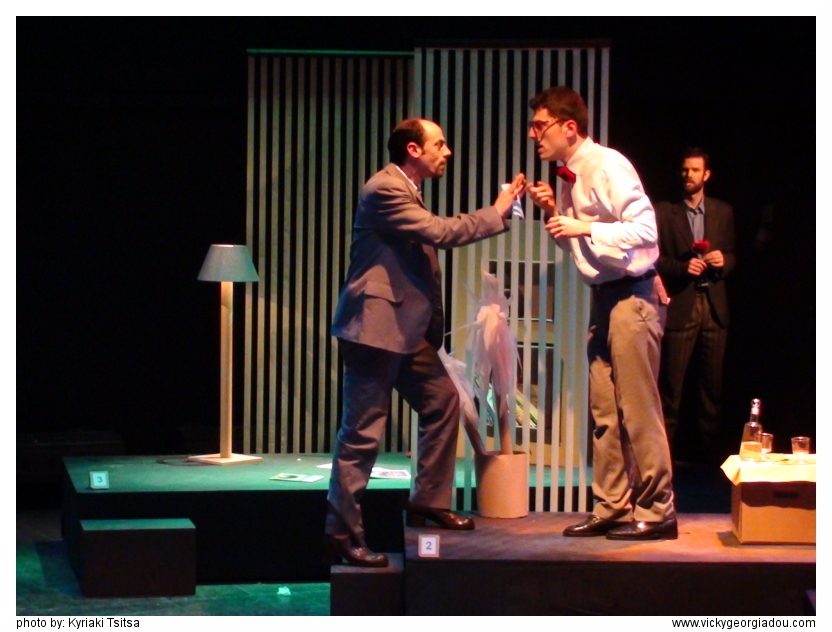
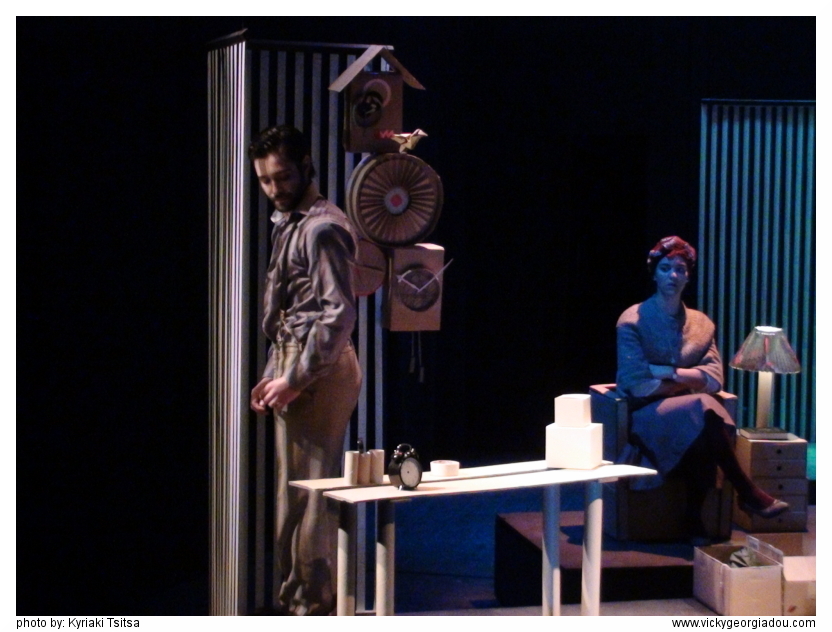
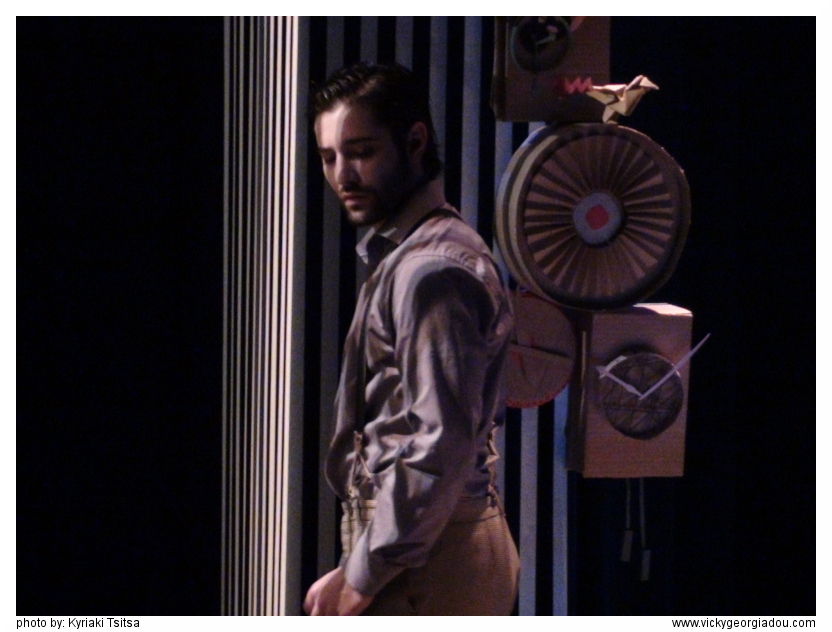
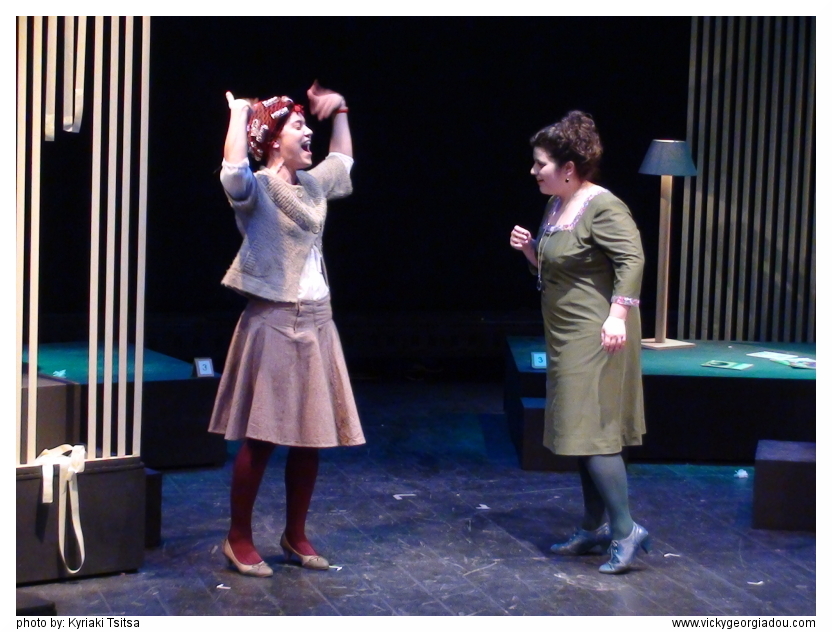
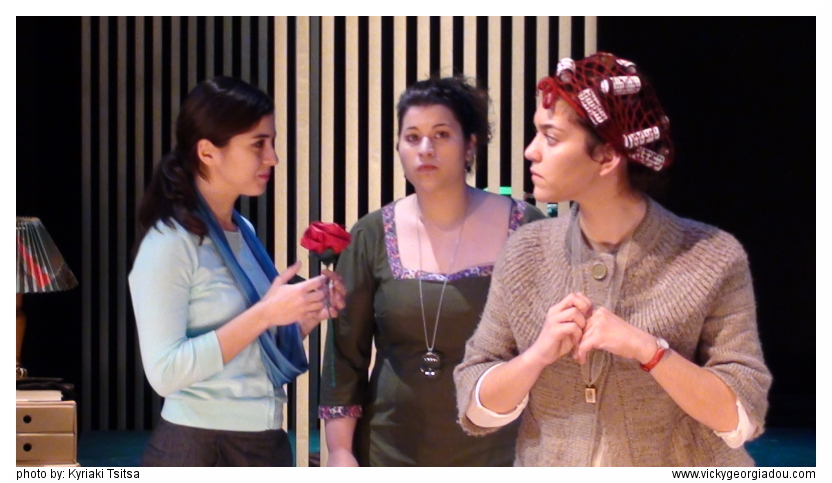
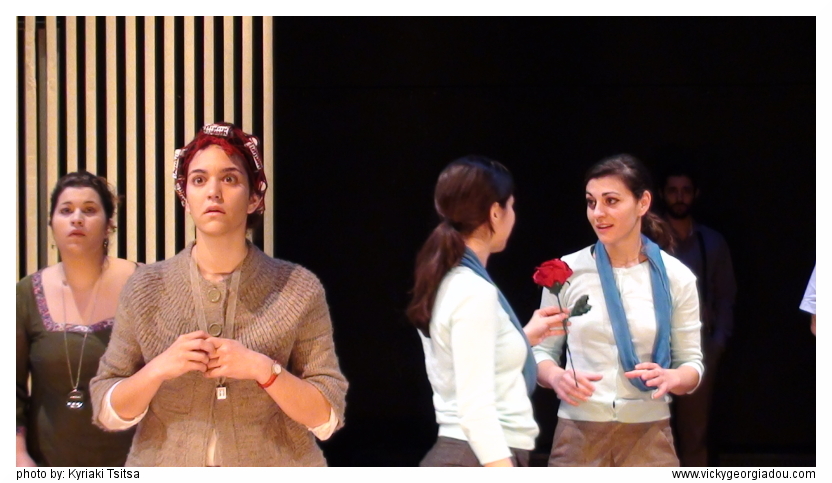
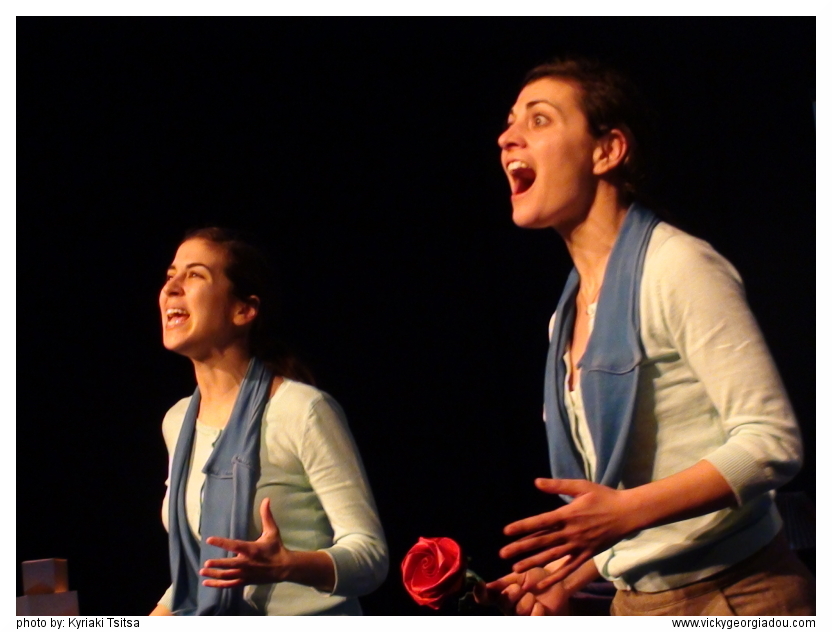
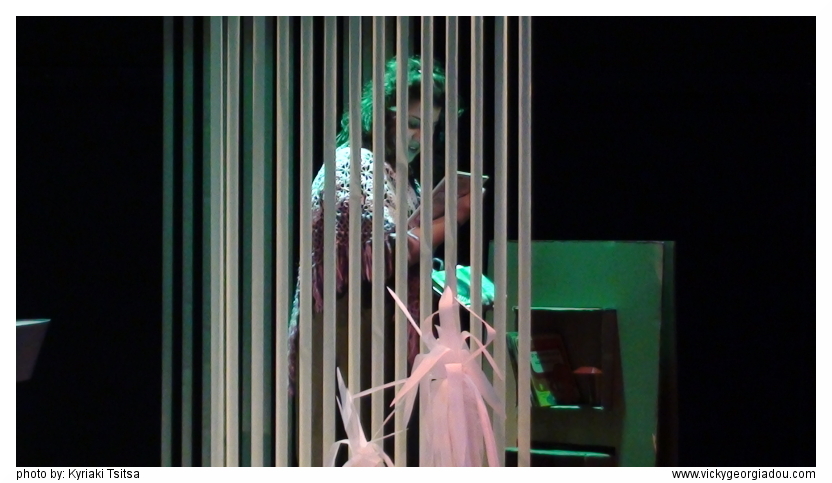
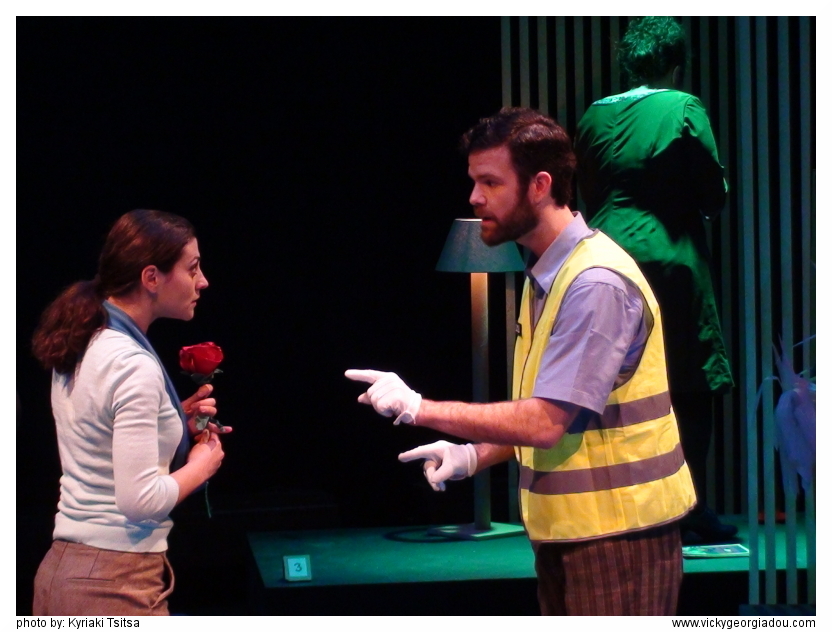
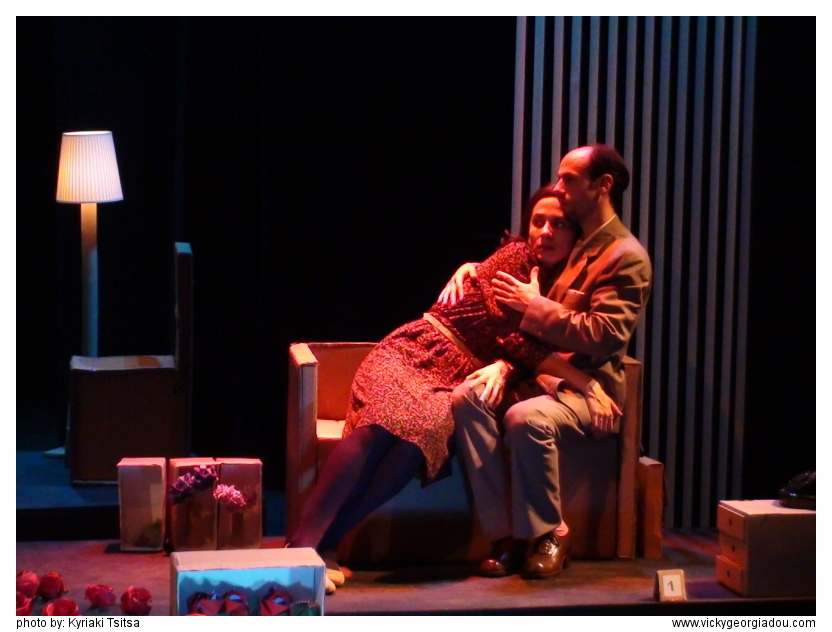
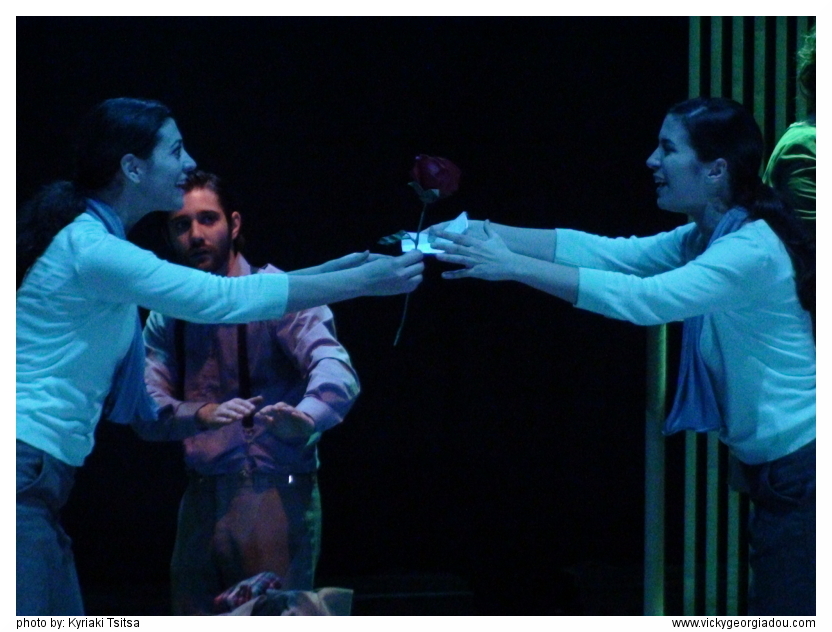
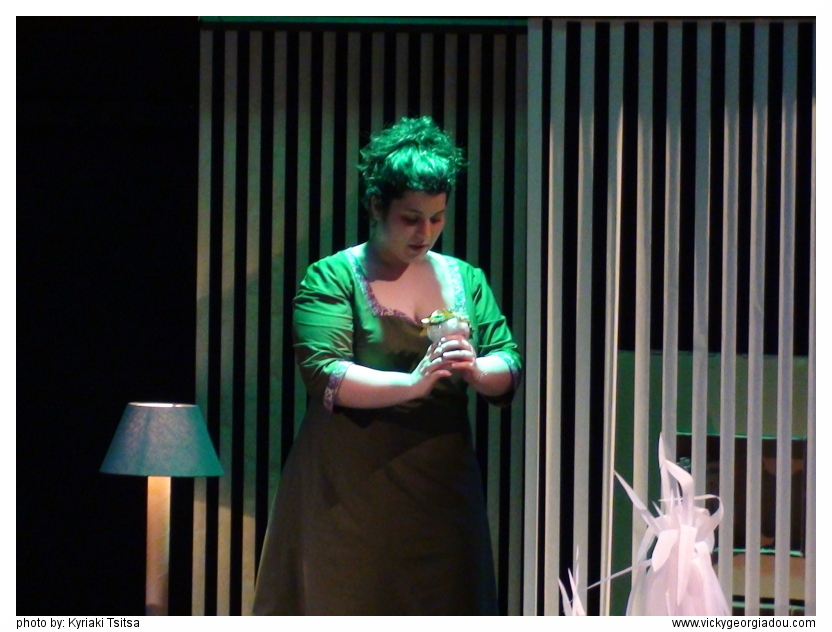
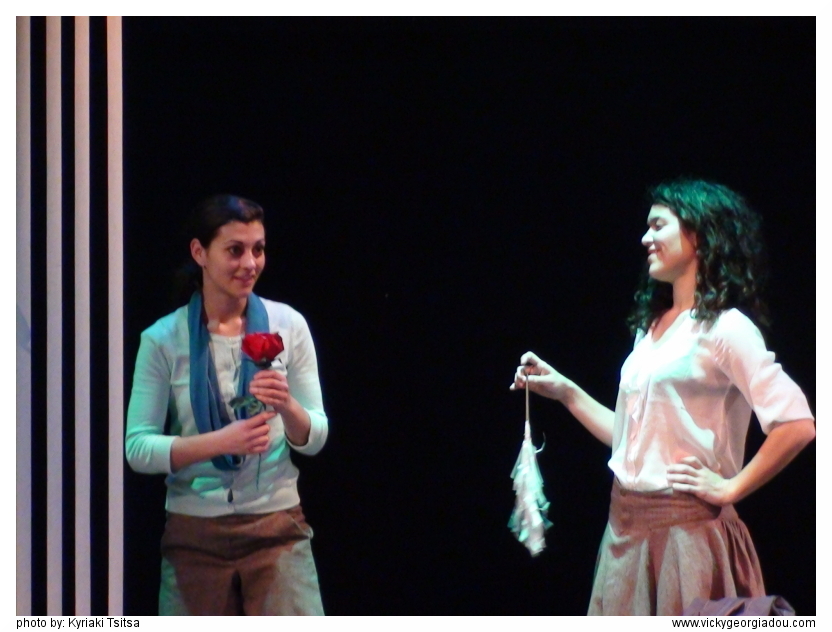
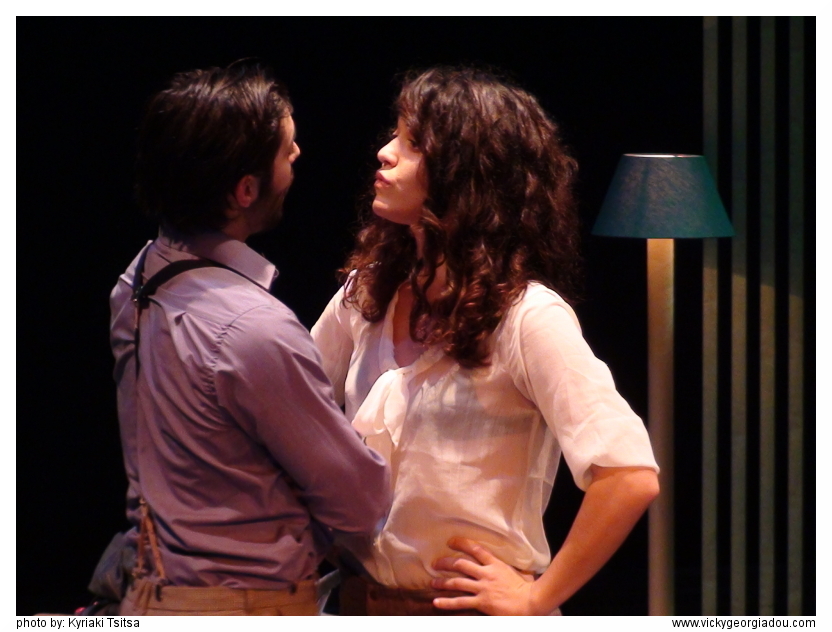
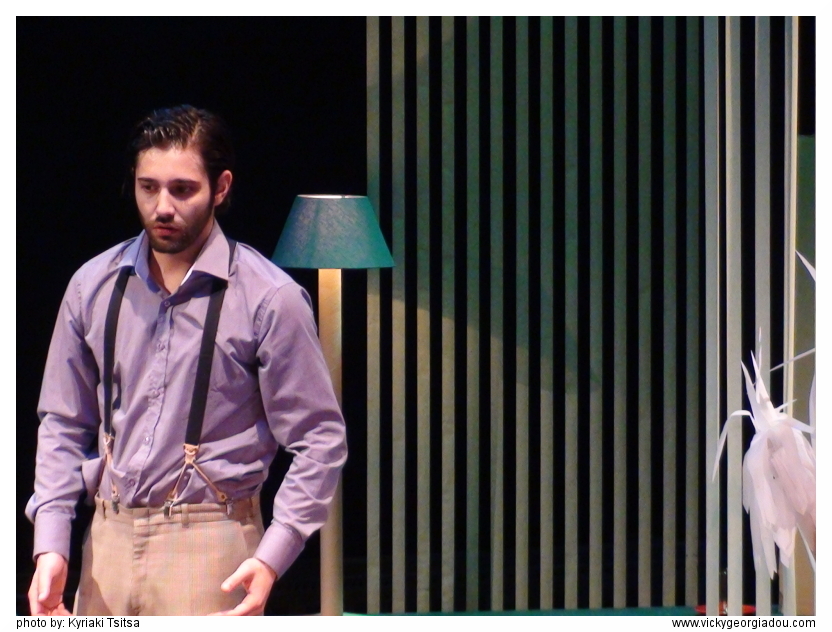
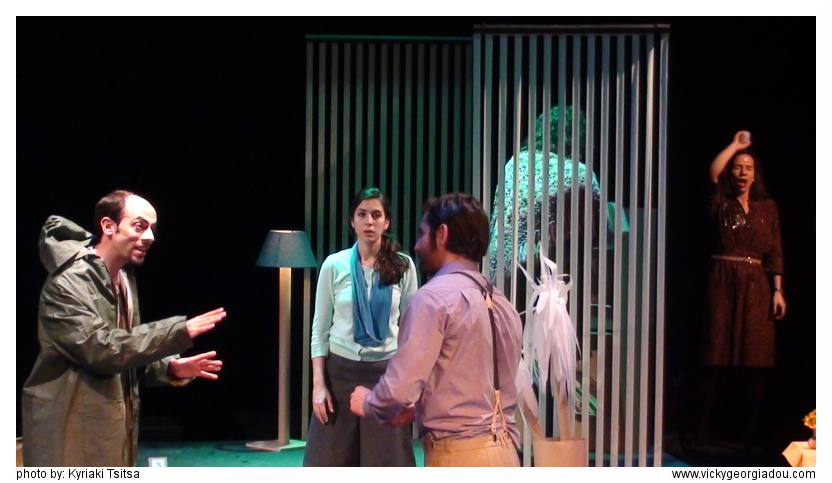
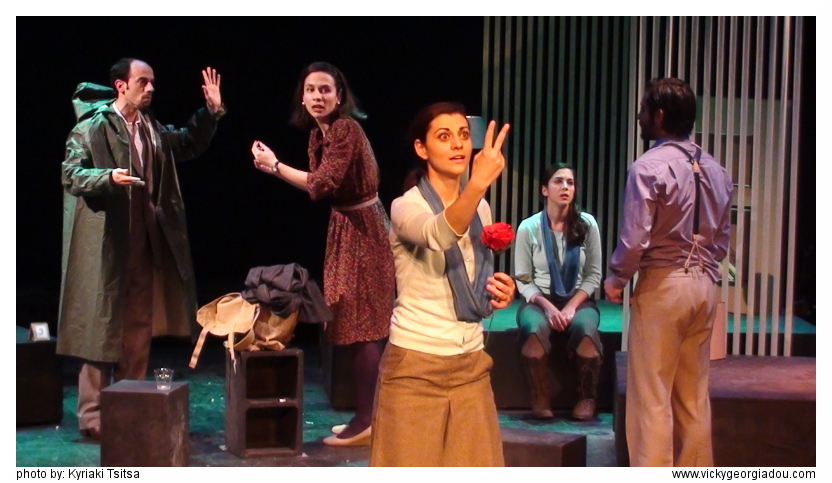
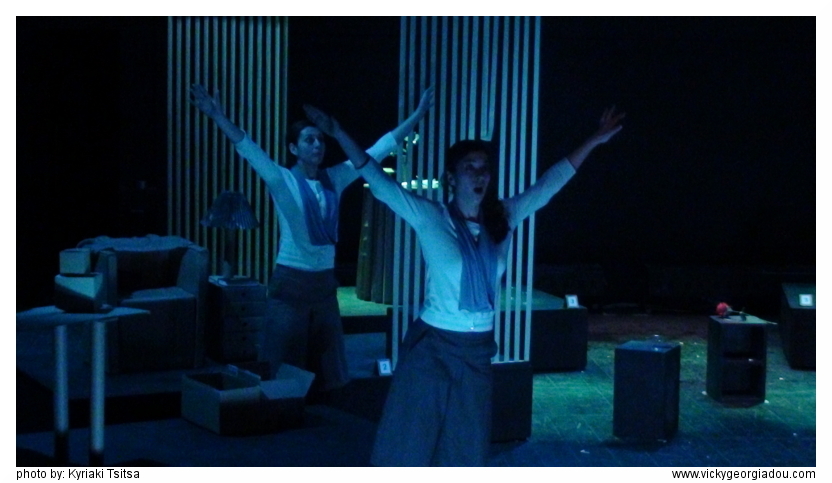
Pulsar group presented, in a co-production with the Municipal and Regional Theatre of Kavala, for the first time in Greece, Ödön von Horvath’s unknown masterpiece An Unknown From The Seine.
The theatre play was presented for a second series of performances in Athens, at Baumstrasse Theatre, from 12 to 15, 20 to 22 and 27 to 29 April 2013.
The first series of performances were presented in Kavala, at Antigoni Valakou Theatre, from 21 to 24 and 28 to 31 March 2013.
Translation: Melina Garbi, Vicky Georgiadou
Director, dramaturgy: Vicky Georgiadou
Assistant director: Danai Tikou
Set/costume design: Kyriaki Tsitsa
Furniture and origami: Eleni Vardava
Lighting designer: Melina Mascha
Music and sound design: Costas Andreou
Cast: Athanasia Agoraki, Pantelis Flatsousis, Yiorgos Kafetzopoulos, Yiouli Karnachoriti, Ifigenia Makri, Foivos Simeonidis, Tassos Tsoukalis, Voula Verdeli, Genovefa Zagga
Dead smiles
Written 80 years ago (1933), during a period of financial depression, social instability, uncertainty and fluidity, during an era that did not know it was living its life between two wars, the play An Unknown From The Seine was meant to be a silent landmark in the theatrical work of Ödön von Horvath.
In 1933, Ödön von Horvath, a political playwright who believes exclusively in the law of truth and withers – until then – with his plays the ruthless and dangerous petit bourgeois of his era, becomes a hostile target for the Nazi regime. His plays are banned and he is classified in Germany as “unwanted”.
Reduced to silence by the political status quo of his time, he tries to stay alive as a playwright by using the path of parable. He writes a fairy-tale, the play An Unknown From The Seine. Based upon the legends accompanying the death-mask of L’Inconnue de la Seine and Friedrich de la Motte Fouqué’s tale Undine, Horvath tries to deceive and be deceived.
His environment remains the same: the usual alley, the usual forefront of a building with the flats and the shops, the usual petit bourgeois characters – although less profound this time – but all these are now united by the cryptic character of the Unknown, who came from nowhere, from the world of the fairies or the world of the dead.
She appears suddenly one night, in front of a house where Albert, a young unemployed man, might either commit suicide or take part in a robbery. Combining in a unique way the bright sincerity with the dark mystery, the Unknown will try to dissuade him. She will succeed as far as the first problem is concerned, but not the second. Albert is eventually involved in a robbery that ends up in a murder. People around are ready to devour him. Suspicion will fall on him and his life will be ruined.
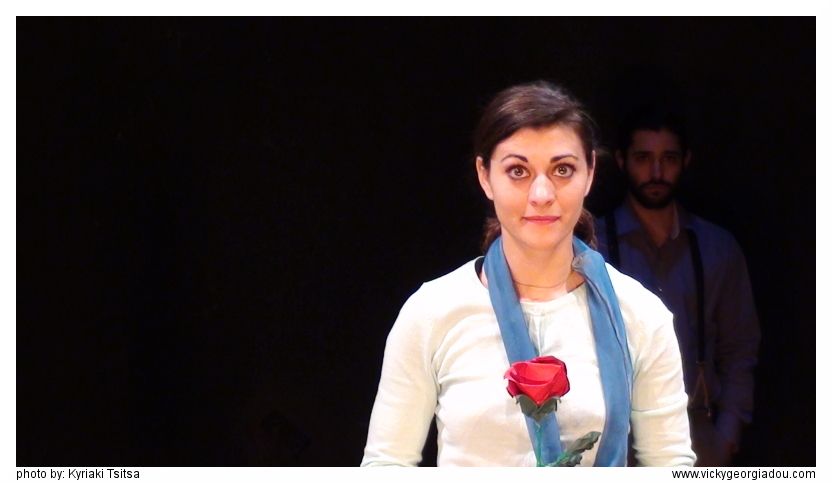
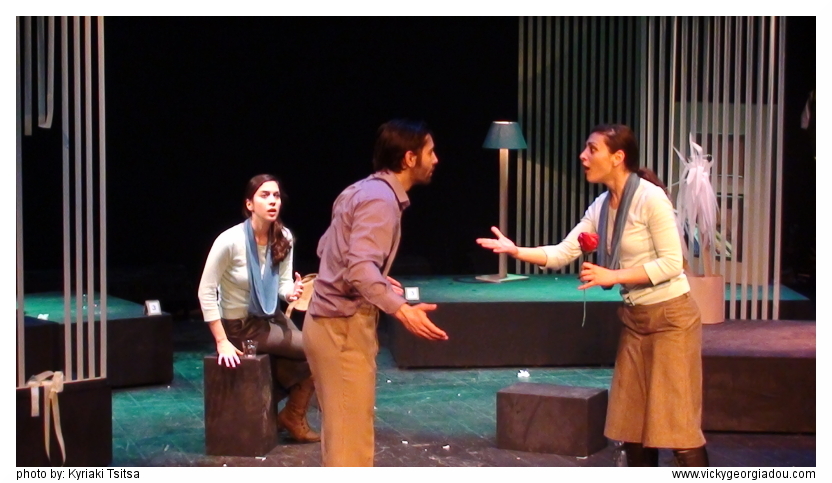
However, the Unknown, who knows at first hand what despair means, appears again as a guardian angel and offers Albert an alibi: they were together during the night of the murder. Albert has a second chance to “put his life in order again”, to go on. Without the Unknown though. She, who gave happiness in return for the red rose that was offered to her by Albert, will go back to the water.
Life will proceed, the forefront of the building with the flats and the shops will gain life again. New shops will open, new marriages will occur, new children will be born. There will be prosperity, love and future on the life of a man who covered with silence the fact that he was a murderer.
At the end of the play, Albert is smiling. But his smile is by far more dead in comparison with the smile of the death-mask of the Unknown from the Seine.